Mt. McKinley Fall Claims Lives of Two Climbers

A climbing fall at Mt. McKinley's Denali Pass took the lives of two mountaineers on Wednesday and critically injured two others.
- By Bob Janiskee - May 27th, 2011 8:51am
Help power the National Parks Traveler’s coverage of national parks and protected areas.

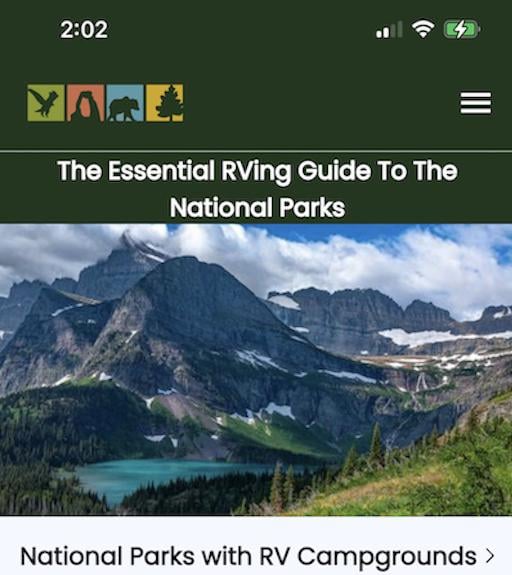
The National Parks RVing Guide, aka the Essential RVing Guide To The National Parks, is the definitive guide for RVers seeking information on campgrounds in the National Park System where they can park their rigs. It's available for free for both iPhones and Android models.
This app is packed with RVing specific details on more than 250 campgrounds in more than 70 parks.
You'll also find stories about RVing in the parks, some tips if you've just recently turned into an RVer, and some planning suggestions. A bonus that wasn't in the previous eBook or PDF versions of this guide are feeds of Traveler content: you'll find our latest stories as well as our most recent podcasts just a click away.
So whether you have an iPhone or an Android, download this app and start exploring the campgrounds in the National Park System where you can park your rig.
